New book
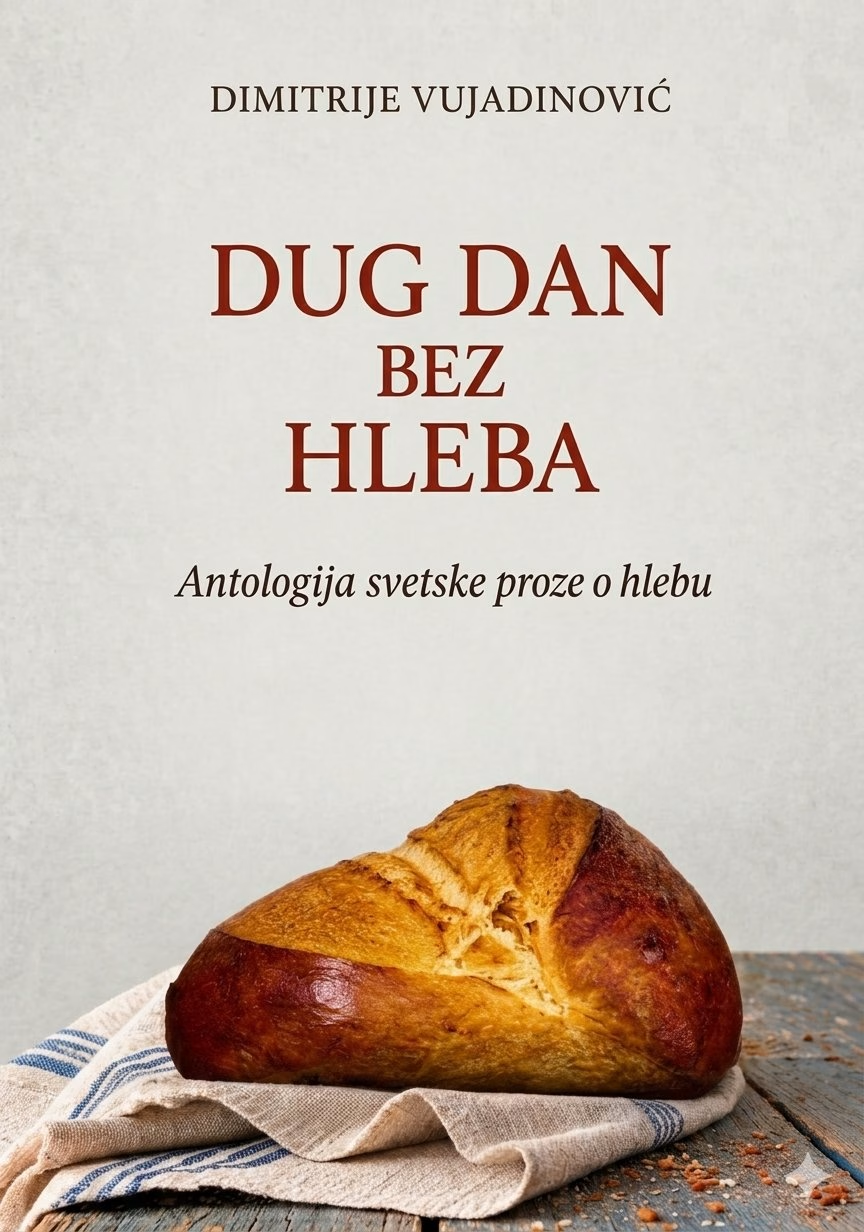
What can a single loaf of bread reveal about humanity?
Hunger and hope, poverty and abundance, power and rebellion, suffering and joy – few things have accompanied human history so closely or inspired so many unforgettable stories.
The first anthology of its kind devoted to bread in world literature, A Long Day Without Bread (Dug dan bez hleba) brings together prose by 80 writers (see contents) from around the world, offering a remarkable literary journey through the depths of human experience.
From the Epic of Gilgamesh and ancient classics to modern essays, Indian literature, and haunting testimonies from concentration camps and the Gulag, bread emerges as far more than a means of survival. It becomes a powerful symbol of human dignity, social injustice, cultural identity, desire, and erotic passion.
The anthology brings together strikingly diverse voices. Dark accounts of war, revolution, and persecution stand alongside lyrical reflections, humour, satire, folk anecdotes, and moments of unexpected tenderness. The result is a rich and surprising encounter with world literature, in which the ordinary loaf acquires extraordinary meaning.
Rather than following a rigid chronological order, the book unfolds through thematic connections and recurring motifs, inviting readers to discover unexpected links across cultures and centuries. Shorter works are presented in full, while carefully selected excerpts from longer literary works reveal how bread shapes characters, drives conflicts, and reveals deeper meanings.
This is a book about bread – but, above all, it is a book about people. It is about what we have suffered and celebrated, what we have believed and remembered, and what we have shared in times of hardship and happiness.
Through the universal experience of bread, this anthology opens a window onto the diversity of world literature and the shared foundations of human life.