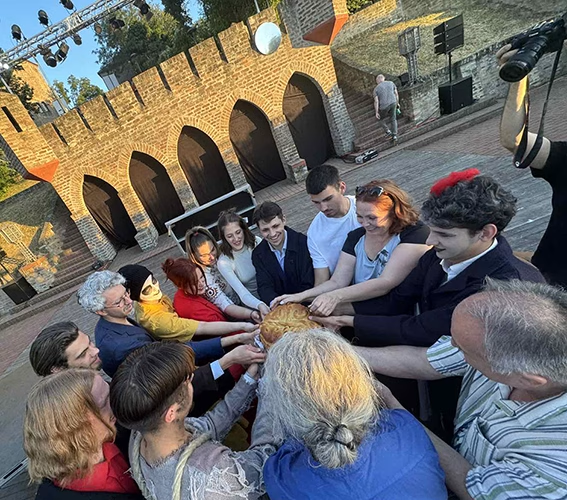
At the suggestion of Dimitrij Vujadinović and Simo Matić National Commissions for intangible cultural heritage has accepted the skills of making traditional Vojvodina bread – Cipovka, as intangible heritage. Traditional, everyday ‘take-pride-in’ bread in Vojvodina is called Cipovka The ingredients of a typical ‘cipovka’ are: white flour, yeast, warm water and salt. However, the secret is in the making, the skill of the baker passed on from generation to generation. First, yeast is put into warm water to soften. When soft, a little flour is added and a teaspoon of salt. After some time (about 15 minutes) when the yeast mixture is done, flour, sugar and lukewarm water are added. The dough should be kneeled for quite some time by turning it constantly until it stops clinging to the hands and bubbles start appearing. When the dough becomes sourly it is re-kneeled by pressing.
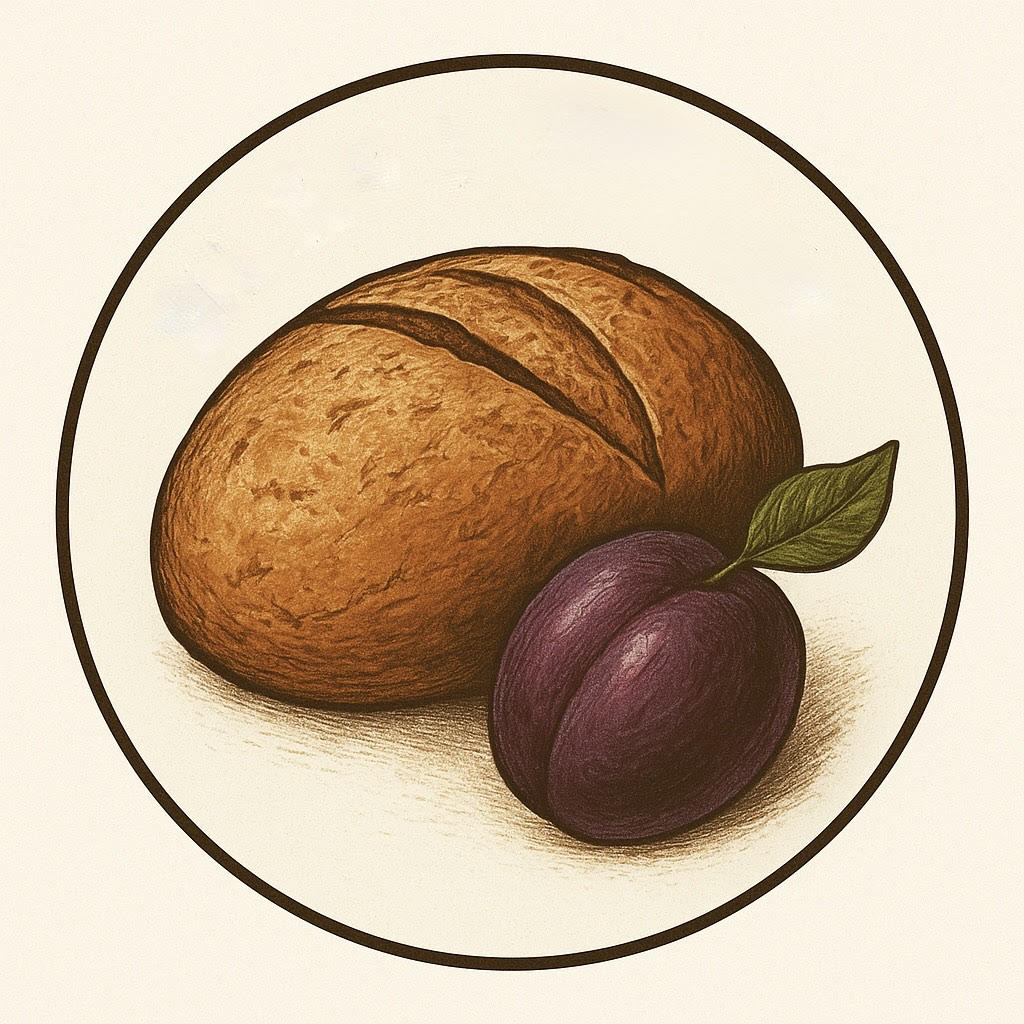
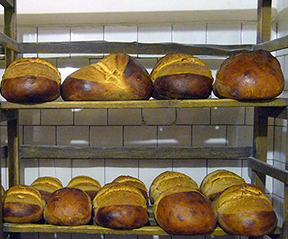
After this, the dough is covered with a linen cloth and left to rise for about 45 minutes. Then it is re-kneeled, shaped into a bowl and left to rise once again, about 60 minutes. The specific shape of a typical ‘cipovka’ is achieved by cutting in a ball-like piece of dough (at the top of the dough ball). The cutting is done by a sharp knife and on the side, immediately before putting the bread in the oven. The bread is baked for about 60 minutes at 240 degrees C. The extra quality comes from indirect method of making bread, as well as from direct firebox of the oven where corn cobs and stalk were used for fire. Once ‘cipovka’ is removed from the oven it is ‘washed’ with clean water and put on a wooden shelf to cool. Cipovka must have a thick, caramel colored crust in order to keep the humidity of the bread and remain fresh for several days.
That is how bread that “smiles on the Moon” is made.